You Will Lose 40% of Your RRSP

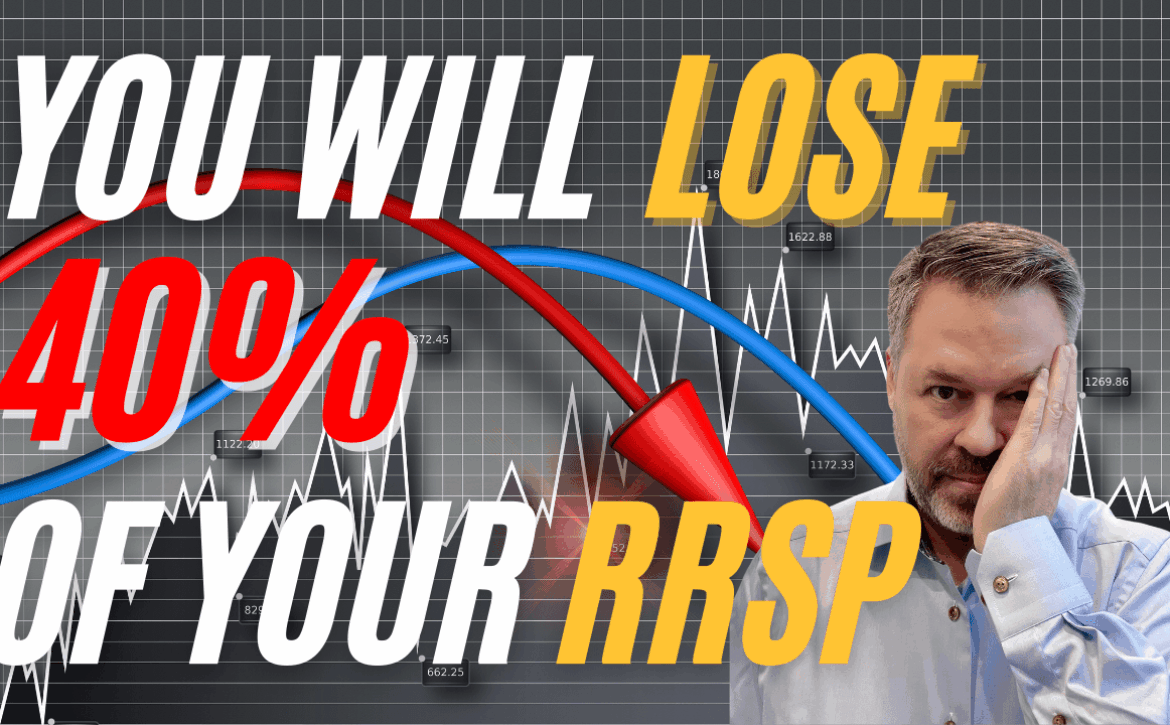
You Will LOSE 40% of Your RRSP

Huge RRSP Mistake to AVOID – You will LOSE 40% of Your RRSP

The most overlooked area of retirement planning in Canada are taxes owing to the Canada Revenue Agency due to your remaining Registered Retirement Income Fund (RRIF) balance. When a person passes away with an RRSP or RRIF and they have no surviving spouse, the balance of your RRSP or RRIF is deemed to have been paid in full. The result is a high income in the year of your passing. You will lose at least 40 percent of your RRSP or RRIF to tax. If you’re like most people, each year you try to keep more of your hard earned money by contributing to an RRSP. Your RRSP contribution reduces the income tax payable to CRA.

Eliminating or reducing the taxes on your estate is actually very simple. A life insurance policy where the cash value and the death benefit grows over time to meet the needs of the of paying your final needs expenses (funeral, debts, taxes, beneficiaries & charities) Participating or Whole Life insurance will provide this solution for you in addition to being an alternative to your fixed income investments.

If you have any further questions about this video’s topic or any financial planning questions in general, I encourage you to schedule your confidential meeting with me.

β€―You can schedule your meeting here: πŸ“… calendly.com/aaronwealthmanagement

➀ π’π”ππ’π‚π‘πˆππ„ to our Channel here: http://bit.ly/2lPUJjA​​​

➀ Business Inquiries: ☎️ 1-866-623-8368
Retirement Hack to Maximize Your TFSA

Retirement Hack to Maximize Your TFSA

If you’re like many Canadians, paying down your mortgage and contributing to your RRSPs are two top financial planning priorities.

TFSA balances are often low due to a lack of contributions and other financial priorities. Another reason why TFSA balances are low is underfunding. Sadly, many Canadians are using High-Interest accounts within their TFSA rather than choosing equities.

The need to Hack Your TFSA is due to an income gap at retirement. Many people retire before receiving their Canadian government benefits such as CPP and OAS. This creates a retirement income deficiency and without having adequate TFSA balances to bridge this gap, retirees may be forced to use their RRIF much earlier than expected.

This strategy is for people who are at least 10 years or more from retirement and have equity in their home. Before considering this Retirement Hack to Maximize Your TFSA, you should determine your TFSA contribution room.

To find your TFSA contribution room visit these CRA Government websites:

Visit My Account: https://www.canada.ca/en/revenue-agen…

My CRA: https://www.canada.ca/en/revenue-agen…

Phone: 1-800-267-6999

Check out these videos: Will I Have Enough Money To Retire:

How Much Money Do I Need To Retire In Canada https://youtu.be/17iIHBd6Gu4

Learn the Best Time to Start Receiving your CPP Benefits https://youtu.be/UCmxvNrn-hA

How much money do I need to retire in Canada comfortably https://youtu.be/1nFlaprSGz8

TFSA - How To Supercharge Your Tax Free Savings and See Amazing Results

TFSA – How To Supercharge Your Tax-Free Savings and See Amazing Results

When it comes to using a Tax-Free Savings account many people are not taking advantage of its primary purpose…to allow your money to compound on a Tax-Free Basis.

Many people treat their TFSA like a revolving door, depositing money only to take it out within the same year. This defeats the purpose of using a Tax-Free Savings Account. Additionally, many investors are investing in High Intrest Savings within their TFSA rather than equities.

A TFSA can hold a wide variety of securities such as stocks, bonds, mutual & segregated funds, and GICs.

Watch this video to learn how to Supercharge your TFSA? It’s not what you think and you’re going to be surprised.

How much money do I need to retire in Canada comfortably

How much money do I need to retire in Canada comfortably?

If you’re asking the question “How much money do I need to retire in Canada comfortably?” know that you’re not alone. This question happens to be the most asked question around retirement next to “When should I start receiving my CPP benefits?”

Everyone’s situation is different and there are a lot of factors that go into answering this question: your age at retirement, your lifestyle, your pension, your OAS amount, and of course a lot more.

In this video, I’ll show you:

βœ… The #1 thing retirees do to have a successful retirement

βœ… 3 steps you can take now to get back on track for retirement in Canada

βœ… 3 areas to avoid that will Kill your retirement in Canada

βœ… 2 case examples of actual client’s retirement experience in Canada

βœ… The #1 step you need to take to have enough money to retire in Canada

RRSP STRATEGY

Watch these Awesome RRSP Strategies to Hit the RRSP Jackpot!

Are you investing in an RRSP? We’re going to explain the proper use of an RRSP including what to do if you think you’re behind schedule with your savings goal.

βœ… RRSP Contribution Limits

βœ… What to do with your Refund RRSP is an acronym for β€œregistered retirement savings plan.”

This definition sounds mighty dry when you consider how RRSPs are superheroes of modern retirement planning for Canadian β€” true tax-obliterating, retirement-enriching wonders of the modern world.

A Registered Retirement Savings Plan (RRSP) is a retirement account that’s existed since 1957. RRSPs were introduced by the government to help Canadians save for retirement. The main benefit of RRSPs is that tax on RRSP contributions is deferred until retirement.