
Business Woman Aaron Wealth Management

COVID-19 Cash flow management strategies

Financial survival has been top of mind for many business owners since the first lockdowns were declared in March of 2020. Almost 40% of Canadian entrepreneurs are now trying to balance rebuilding their financial health against business needs

How to manage your finances to ensure the continuity of your business?

Here are few cashflow strategies that will help your business survive during time of economic downturn or catastrophic events such as COVID-19.

1. Agility is key

Business owners who are agile can pivot their operations and optimize their sales reducing the impact of the economic slowdown.

2. Lower expenses

Lowering expenditures to reflect reduced revenue can help businesses break even and keep their doors open.

3. Operate safely

Your customers need to be protected and feel safe to do business with you. Your employees must have a safe work environment. Ensure your communications are clearly marked for customers and your employees are well trained.

4. Curtail unnecessary spending

Watching your margins during any reduced revenue period is critical. COVID-19 in a way, has been a live exercise in business survival. Stay on top of accounts receivables and manage your payables to the latest date possible. Negotiate longer payable terms where possible e.g. ask to move from 30 days to 60 days.

5. Plan ahead

OK, this one seems common sense although, when your busy fighting fires it’s easy to get caught up in the “right now.” Some of those fires are showing up because you didn’t plan far enough ahead. Get in front of your problems and forecast further out.

What’s Your Business Interruption Strategy?

Many years ago, we had a 120 seat cafe/restaurant with a liquor license that was extremely successful. Literally a line at the door. So busy in fact, I slept on a cot in the back (closed at 2 am and opened at 8 am) during our 1st year.

When the sun is shinning you’re not thinking about umbrellas!

~ David Aaron

It was August, our busiest month of the year and construction had began in the parking lot to remove an old building to make way for additional parking. The construction company accidentally cut the water main flooding the parking lot. The entire parking lot was closed off and torn up. They piled mounds of pavement, stone and dirt right in front of our business. You actually couldn’t see our business. Sales revenue in August was normally $80-90,000…we did $6,000!

The landlord provided a $1,700 credit towards our lease and do you think that made any difference? We never considered planning for such an event. We had 16 employees, perishable food inventories and just like that disaster!

Planning for the worst case scenario

1. Break-Even Analysis

Add up all your fixed expenses such are lease, salaries, communications, interest and principal payments on loans. Then, divide this by the margin you earn on each sale (usually a percentage).

If you think your business might not earn break-even levels, you may have to consider cutting your expenses to the strict bare minimum. Consider temporarily removing products/services which are unlikely to break-even during this period.

2. Do some “Spring Cleaning”

Time to sell anything you haven’t used a long time and will unlikely ever use it. Such things as, equipment & vehicles. Cash is king here! Examine where you can get short-term financing.

3. Renegotiate fixed costs

For our restaurant, we negotiated with the landlord to reduce the lease over a several months and increase the lease payment during our higher business volume. Examine if this is possible with your business. Heating & Air conditioning is one are to consider. Adjusting the temperature by 1-2 degrees over time reduce your energy bill. While it may be a little uncomfortable, the alternative is far worse.

4. Change Your Pricing

Modify your pricing on items with the highest margin to increase the margin. One example in our restaurant was, in the winter strawberries are very expensive comparative to the summer. We increased our price for a top selling menu item by a nominal amount and removed strawberries from the menu. Instant boom to our bottom line.

5. Flexible Working Arrangements

Can you work from home or move to a co-working space to transform fixed rental costs into variable costs. Can any employees work from home?

6. Pay attention to giving out credit

Scrutinize new clients on their credit worthiness. When sales volume is low you don’t want to take on a delinquent new client. Also keep a closer eye on customers who are falling behind with their bills. Ask for a partial payment to mitigate a larger delinquency – receiving some cash during these times is better than none at all.

7. Establish and maintain strong credit

“But I don’t need credit right now.” Establishing lines of credit is essential in business. Even General Electric ran out of credit during the 2008 financial crisis. Using credit during normal business cycles is good financial management. Having access to credit during economic contraction is critical to business sustainability.

8. Death by a thousand cuts

Pay attention to the small almost invisible expenses. They can add up to quite a bit:

  • Subscription services for social media platforms. LinkedI n is $100 per month for Sales Navigator. Perhaps a pause on this and similar accounts is necessary
  • Paid advertising – if you have modified your product/services discontinue ads which are promoting those items
  • Data charges – If business volume is low do you need to have the highest data package?
  • Infrastructure costs – During COVID-19 you’ve been paying for infrastructure to support a business at 80-110% volume when in fact you may have been at 20%. You need pivot quickly to reduce these costs.
Coronavirus

Living Through Coronavirus

“Most people who fall sick with COVID-19 will experience mild to moderate symptoms and recover without special treatment” ~ who.in

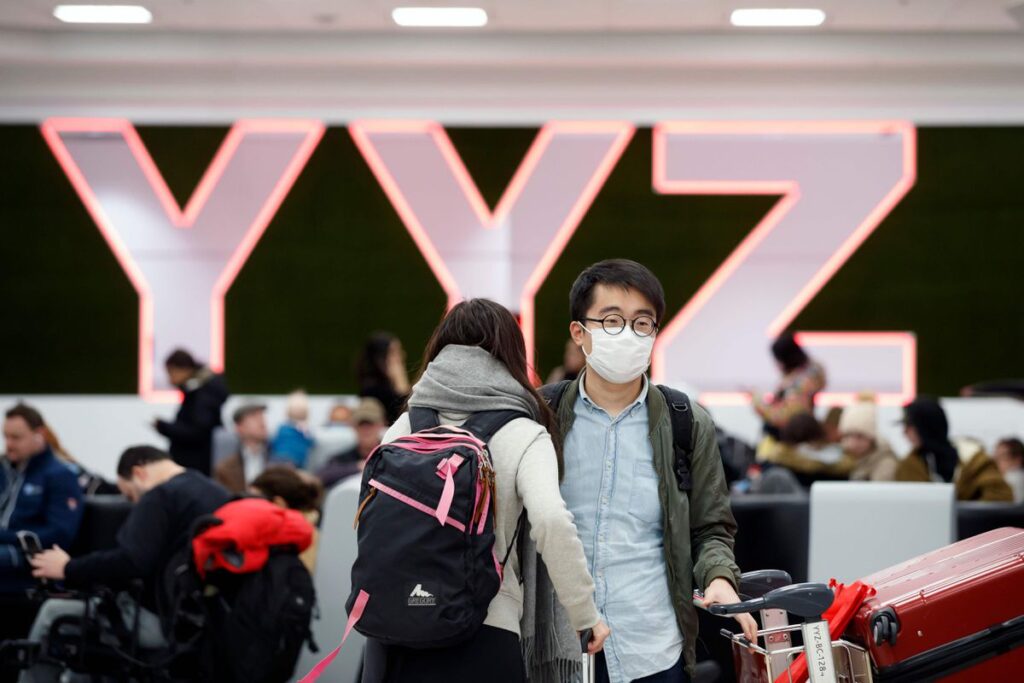
In January 2020 we heard a virus was emerging from China and soon after people tested positive for Covid-19 also known as Coronavirus. In fact, the first presumptive case reported in Ontario (and Canada) was a man in his 50s, who came from Wuhan, China and begins self-isolating. His wife becomes the second case and begins self-isolating the following day. The man’s illness is officially confirmed two days later.

On February 26, Ontario had 5 confirmed cases of the Coronavirus and people appeared to be unconcerned. We were told to wash our hands frequently, that the seasonal flu virus affected more people each year.

Until this point, most people had a growing concern of the Coronavirus but not panicked until… March 12, 2020, when Doug Ford, Ontario’s premier announced that publicly funded schools across the province will be closed for two weeks following March break. While announcing the decision, the Ontario premier also tells families to: 

travel and have fun

~Premier Doug Ford

When you’re told “have fun” nothing to worry about here, oh and by the way, we’re closing school for 2 weeks, that’s code for “full-blown pandemonium!” I was immediately reminded of the nuclear bomb drills we did at school as a child. Absolute panic and fear of what was to come.

Do you remember in March the frantic race to the grocery store, not to purchase Vitamin C but rolls and rolls of toilet paper. People’s greatest fear was not getting sick but not being able to wipe their butts! Seriously, people waited 2 hours in line to pay $40 for 12 rolls of toilet paper. Stockpiling toilet paper, Kleenex, baby wipes & sanitizers.

Woman builds throne from stockpiled toilet paper

People began saying “stock up on everything. It’s going to be bad, they’re going to close everything.” It was Friday, March 13 my wife and I were grocery shopping as we do every Friday. While I’m not deeply superstitious, it was “Friday the 13th” after all. The grocery store is usually buzzing on Friday but this was crazy!

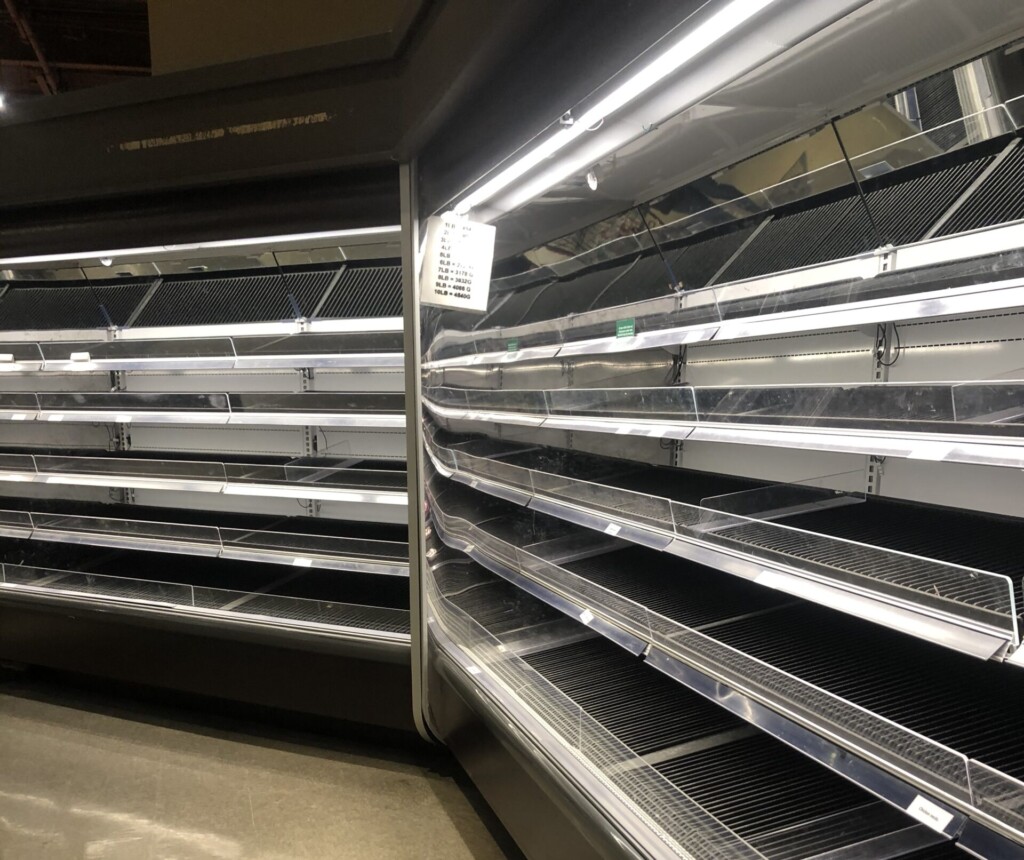
Grocery store during Coronavirus

There was no meat as you can see and yes no toilet paper or sanitizer anywhere. From this moment on we lived in a different world. This was straight out of a science fiction movie.

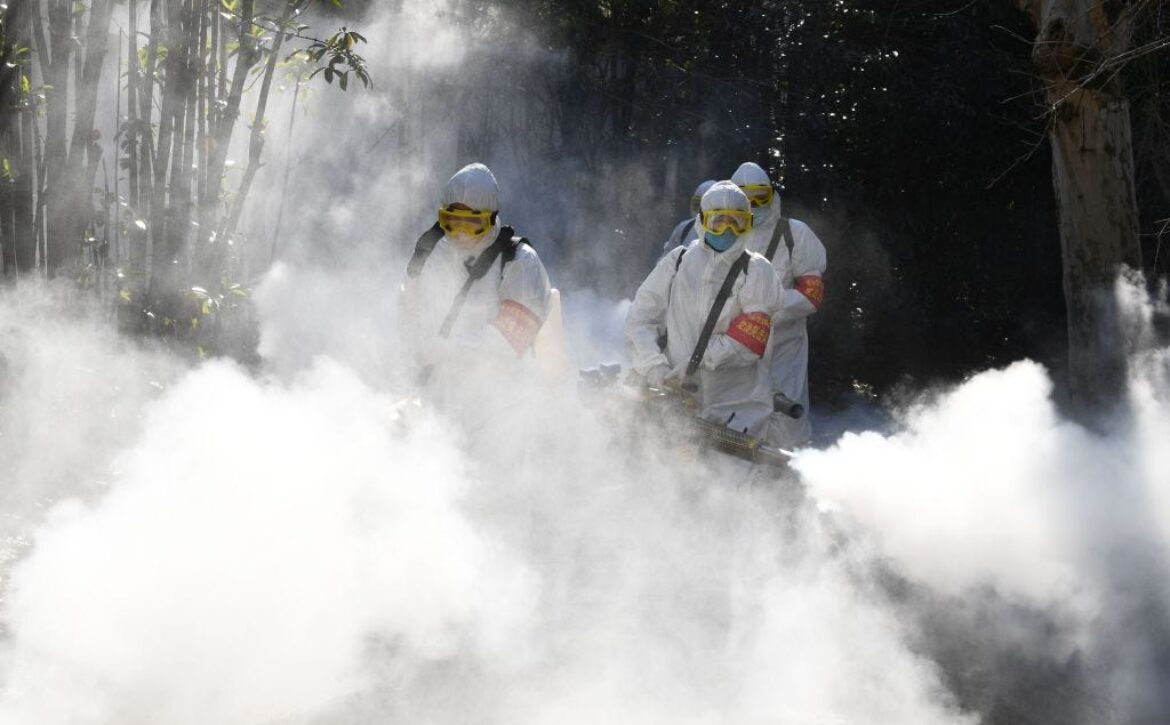
Restrictions followed with businesses being closed, wearing a face mask, sanitizing your hands and, working from home. The government issued economic relief cheques to those who qualified and a huge swath of people were unqualified.

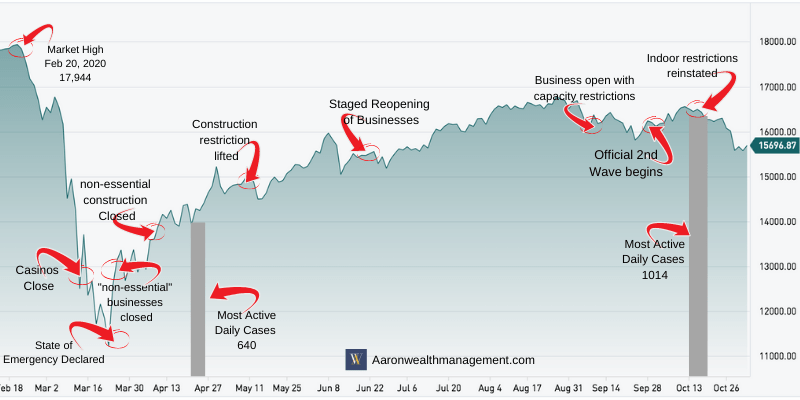
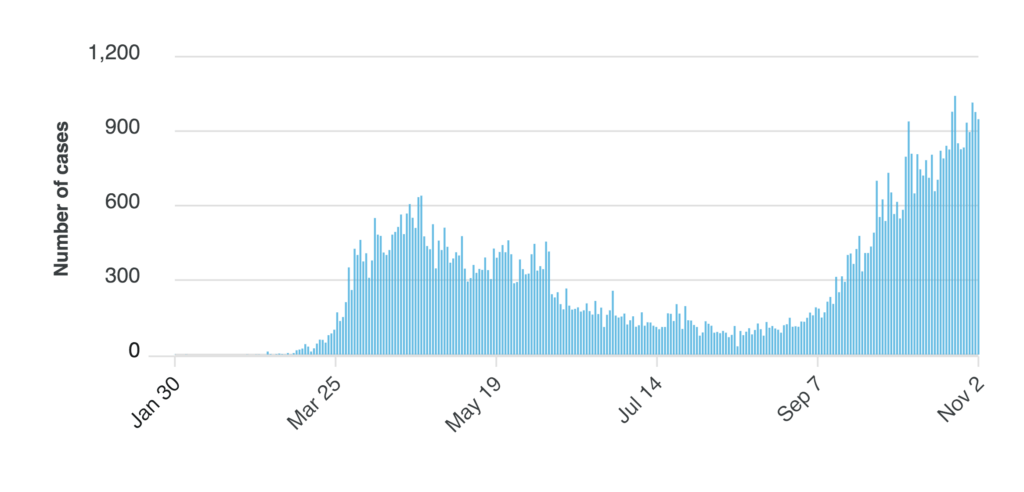
The peak of confirmed active daily cases of Covid-19 in Ontario was on April 23/24 with 640 infected people. Contrast that to the highest number of daily confirmed cases of 1,015 on October 15, 2020.

The difference between March and November is we really didn’t know what we were facing and how to deal with Coronavirus. We didn’t know anything about it and in fact the WHO’s direction on what to do changed several times. I’m not placing blame on anyone. We forget these are very difficult things to figure out and in fairness to the doctors and scientists, a great many people had to get sick first in order to determine how it attacks the body.

Case statuses

Despite this people figured out how to survive and live amongst a virus that was and is very deadly for a certain group of people.

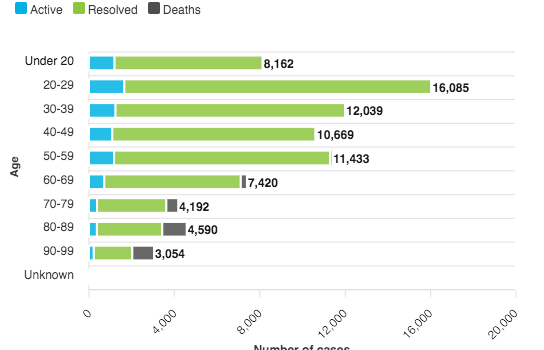
Corona Cases in Canada by age
https://covid-19.ontario.ca/data

The chart above illustrates the number of active & resolved coronavirus cases and deaths. Covid-19 is very dangerous for people with compromised health conditions and the elderly as noted above. The majority of deaths occurred between ages 60-99.

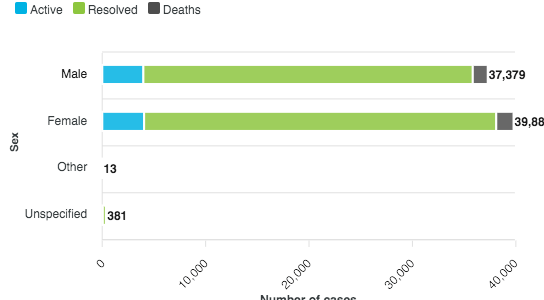
Coronavirus is gender neutral

https://covid-19.ontario.ca/data

Geographical hot spots

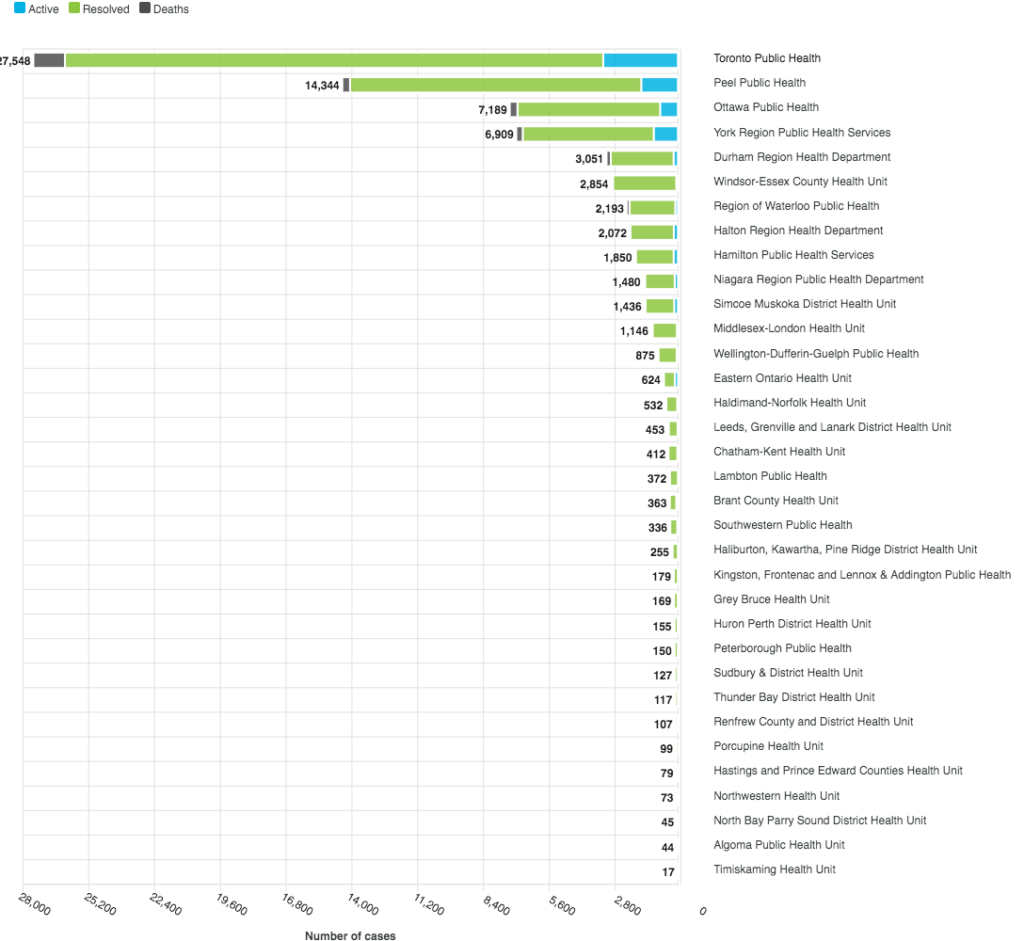
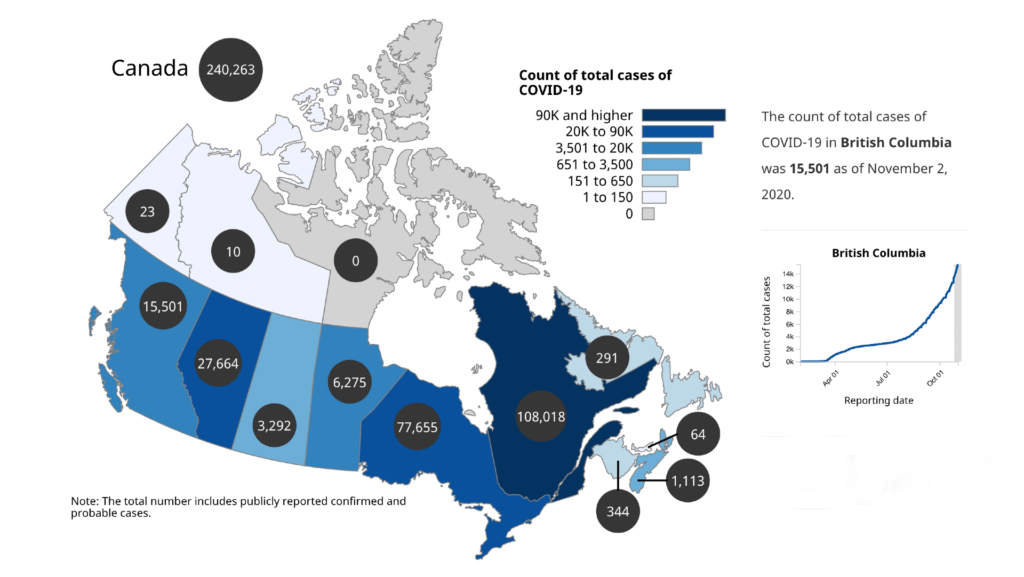
The majority of cases are in Toronto and the Peel region. So what does this mean? There are 14.5 million people in Ontario with 2.9 million residing in Toronto. For a great many people Coronavirus has not been a problem. I don’t want to appear dismissive about this. Coronavirus has killed over 10,000 people in Canada.

The majority of cases (77.3%) and deaths (92.4%) have been reported by Ontario and Quebec.

Progression of cases over time

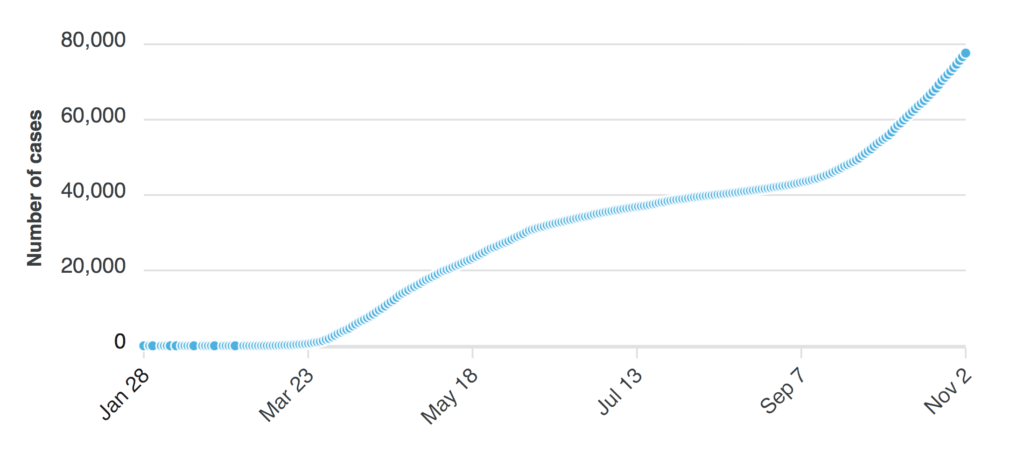
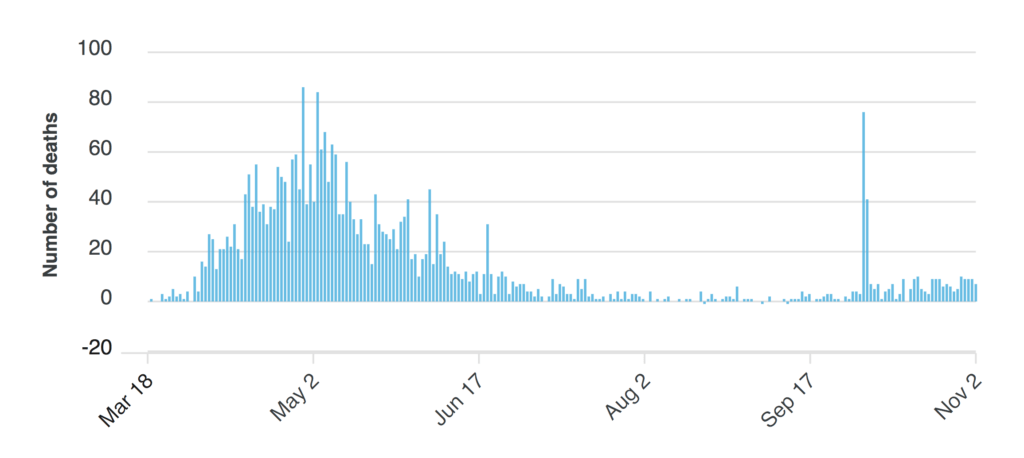
Back to the question of living with the Coronavirus outbreak. While the number of Active cases has gone up dramatically since September the number of deaths has not increased at the same rate. At the beginning of the outbreak, we were extremely unprepared and vulnerable. The province has done an excellent job of educating everyone on how to protect those who are most at risk of contracting the Coronavirus.

Coronavirus Deaths

Coronavirus New Cases

What is significant about the graphs above, is the contrast between new cases in November being nearly double the new cases at the highest point in April when the province was locked down. At the peak of new daily cases (640) on April 24, there were 50 deaths as compared to October 31 with 1,014 new daily cases and 9 deaths.

What this tells me is we understand how to live with the Coronavirus, how to protect ourselves and the people we love without the province being in lockdown. Everywhere I’ve gone in the GTA people are doing there part to keep safe:

  • Wearing a face mask
  • Sanitizing their hands, even the items they purchase
  • Utilizing hands-free door openers
  • Maintaining separation of at least 2 metres
  • Avoiding unnecessary travel
  • Learning how to work with digital products to conduct business

People have decided they can continue to work and to be social in a safe way. They have the tools, knowledge, and experience to move forward with their life without endangering others, especially those among us who are most vulnerable.